
Fietsen






















Buying bicycles from the specialist
Different types of bicycles
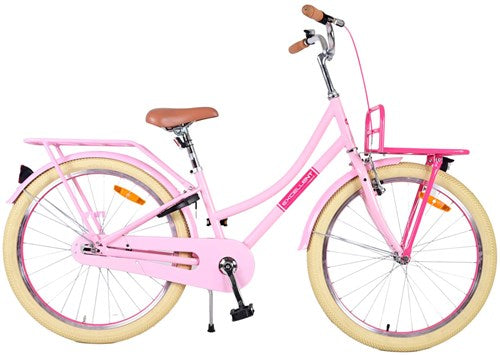
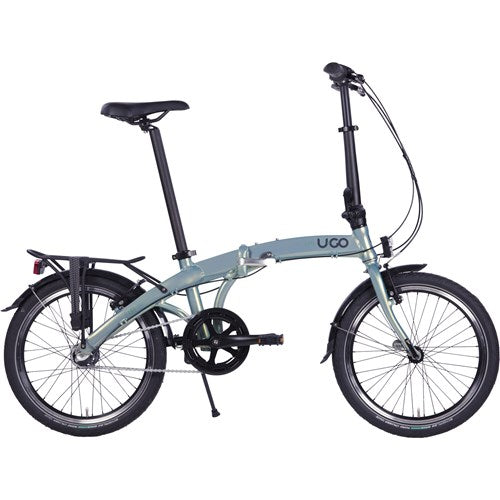
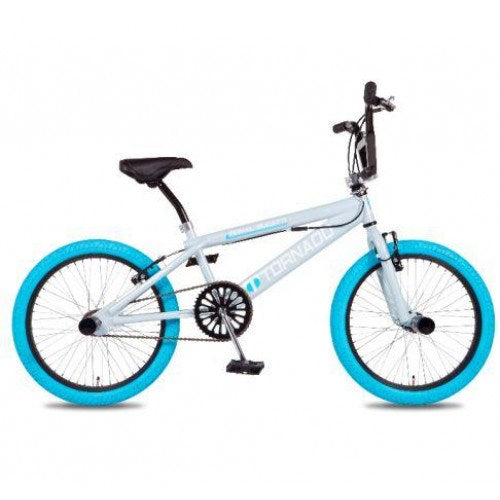
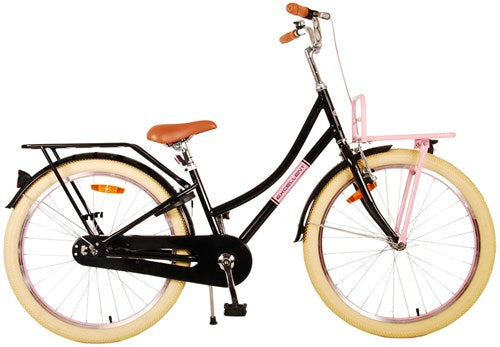
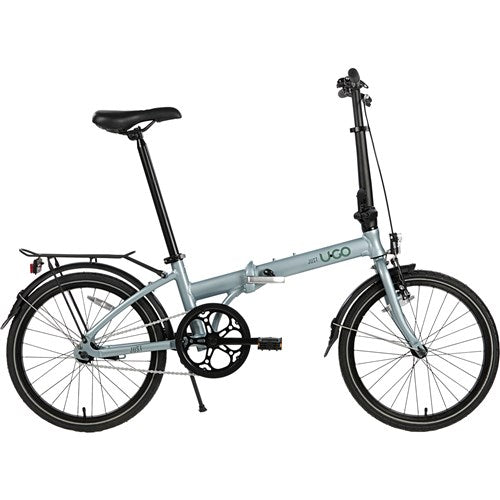
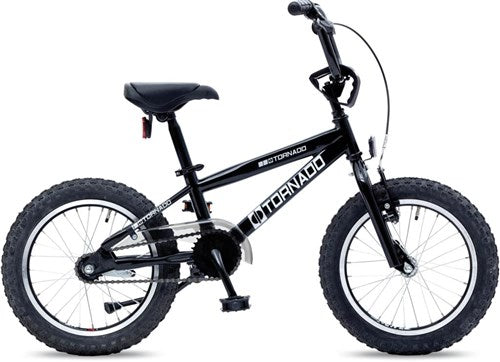
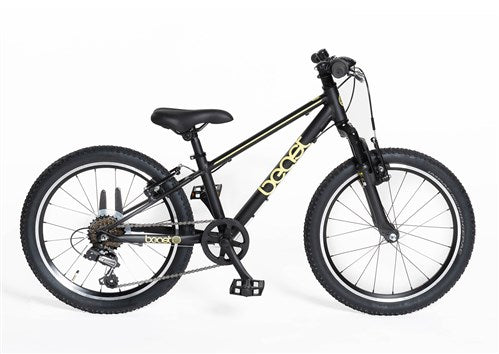
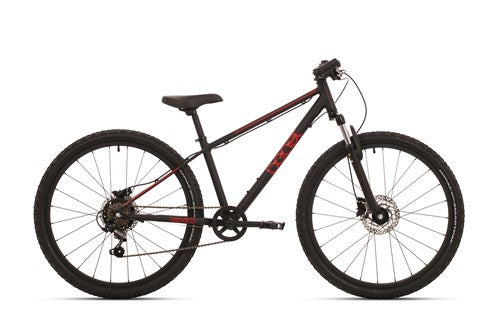
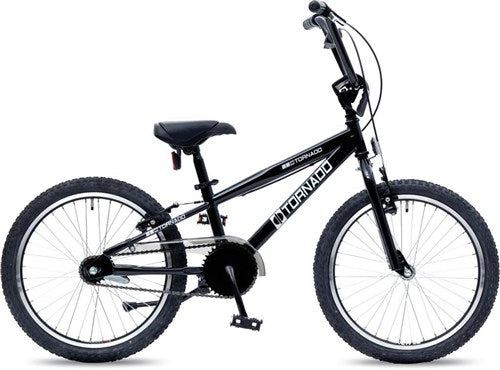
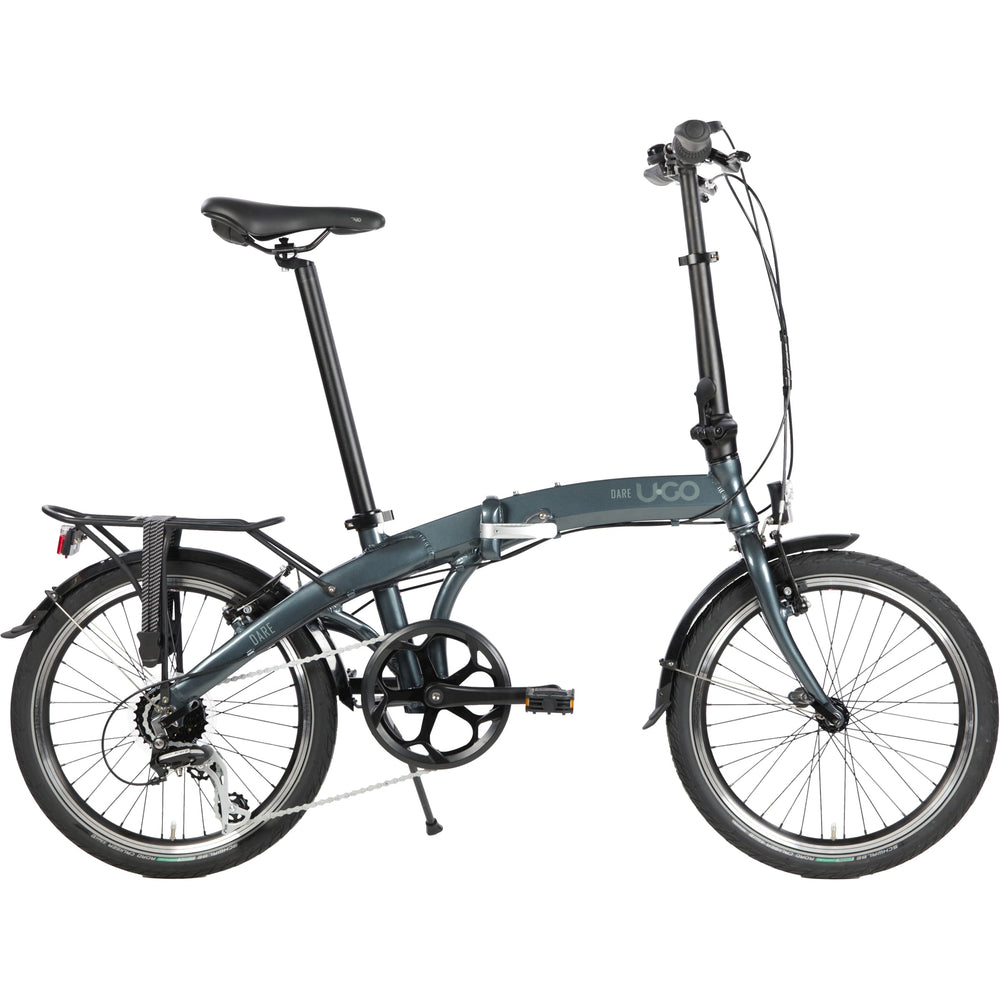
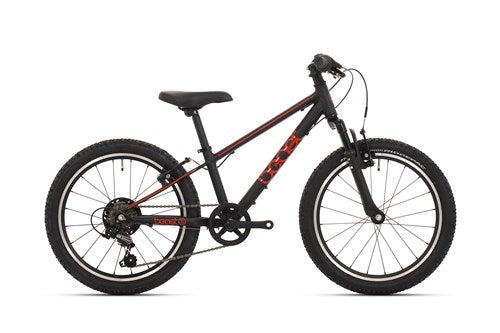
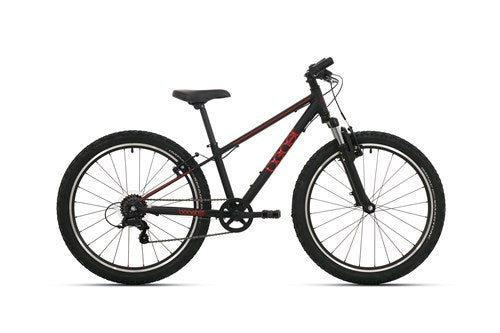
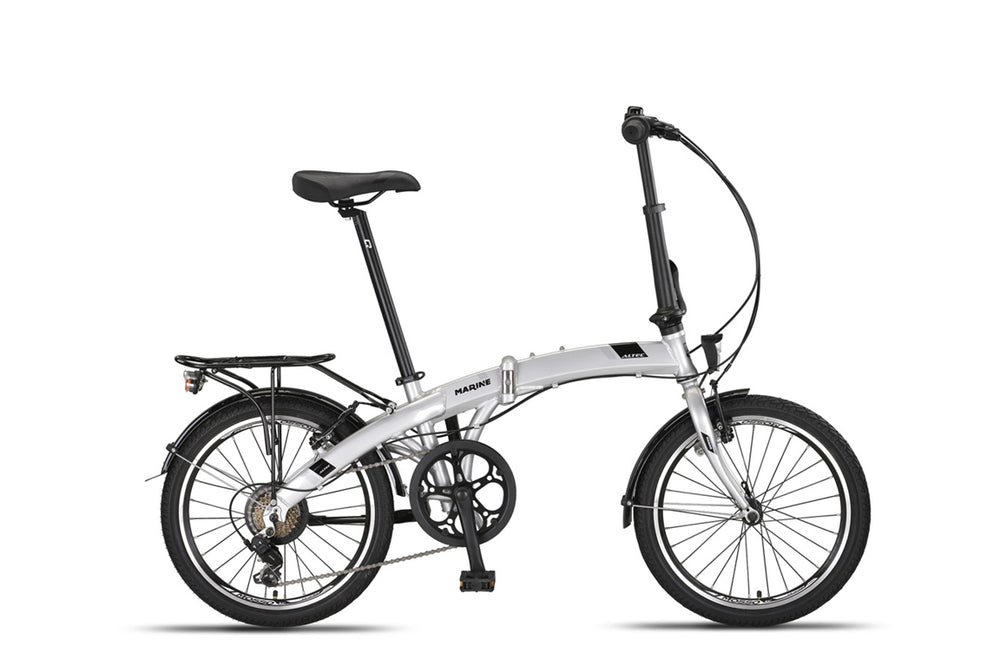
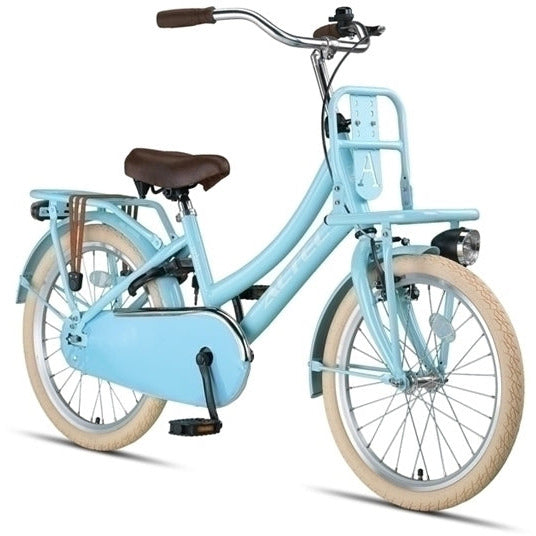
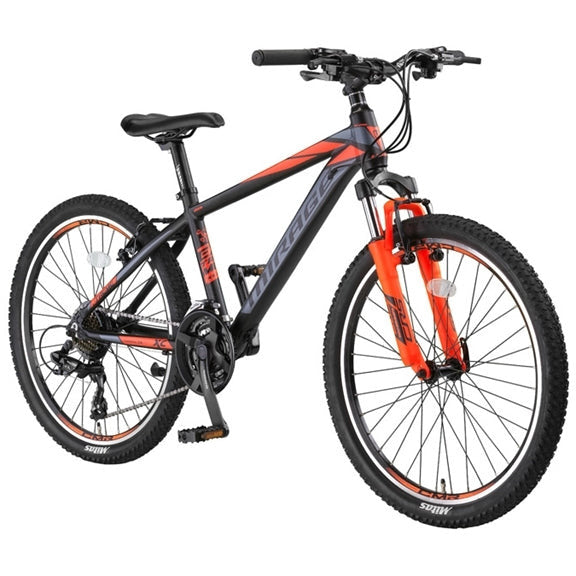
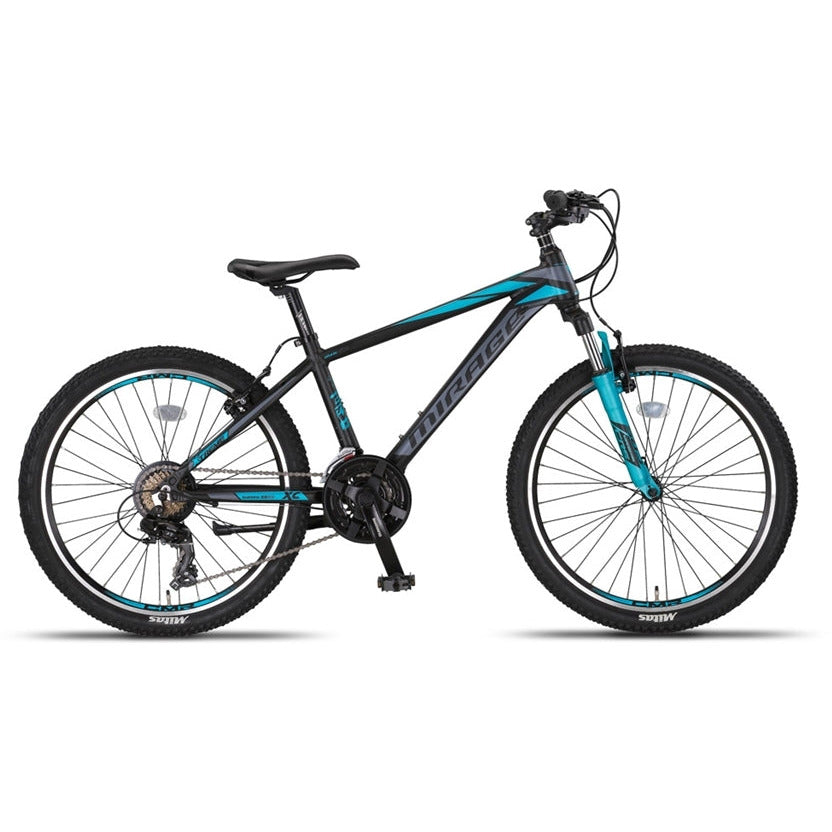
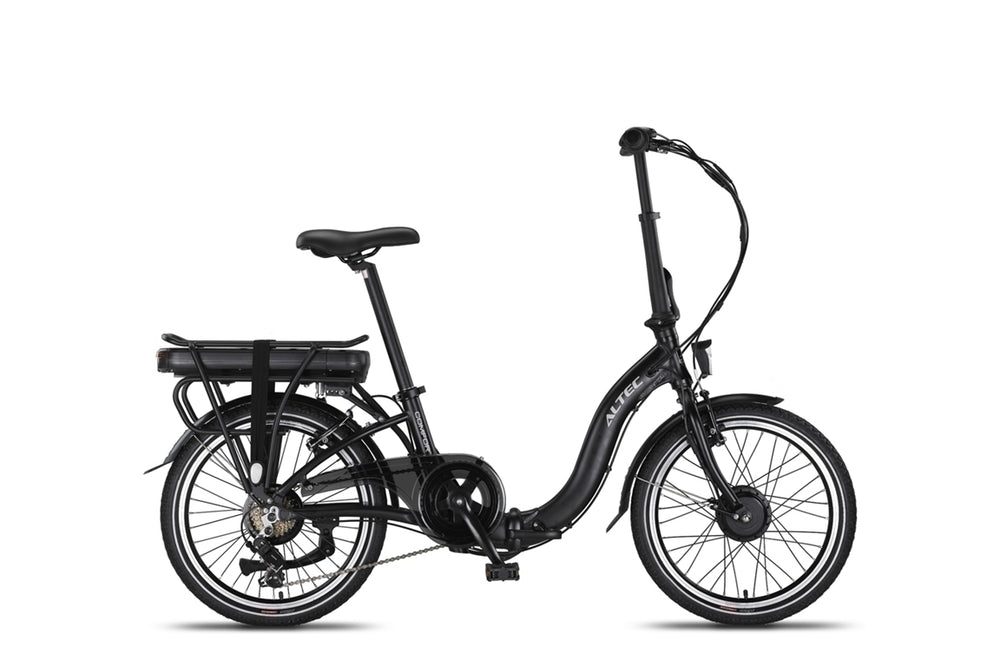
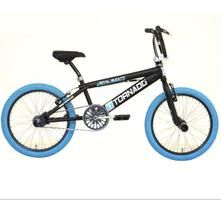
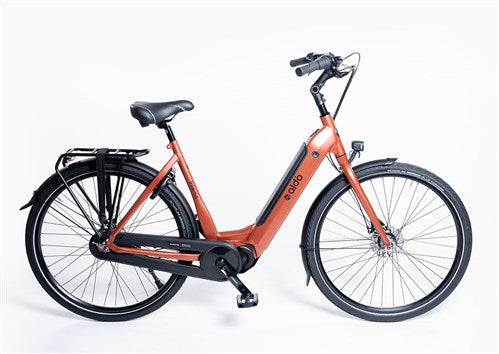
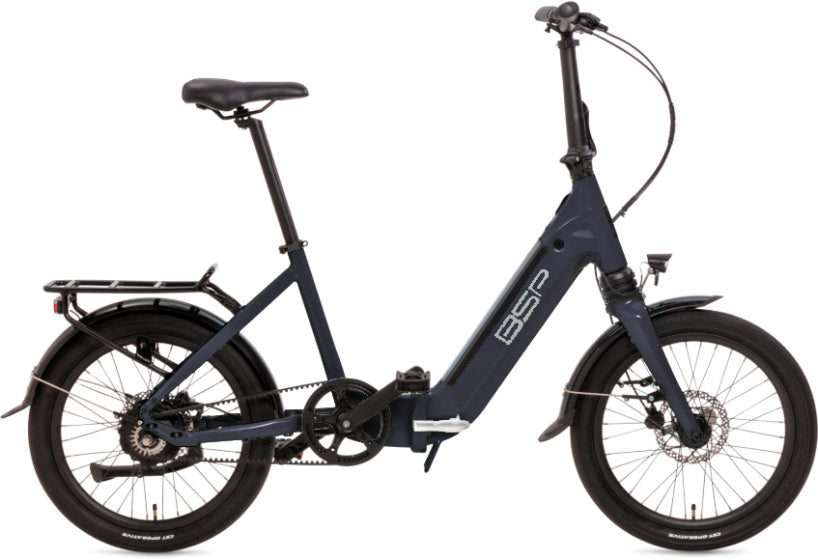
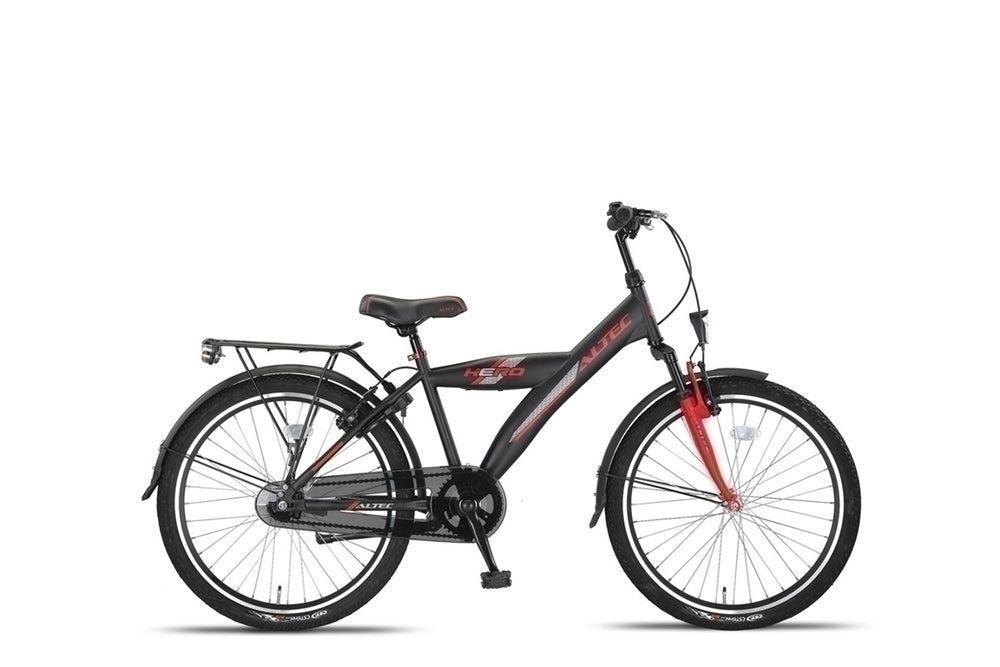
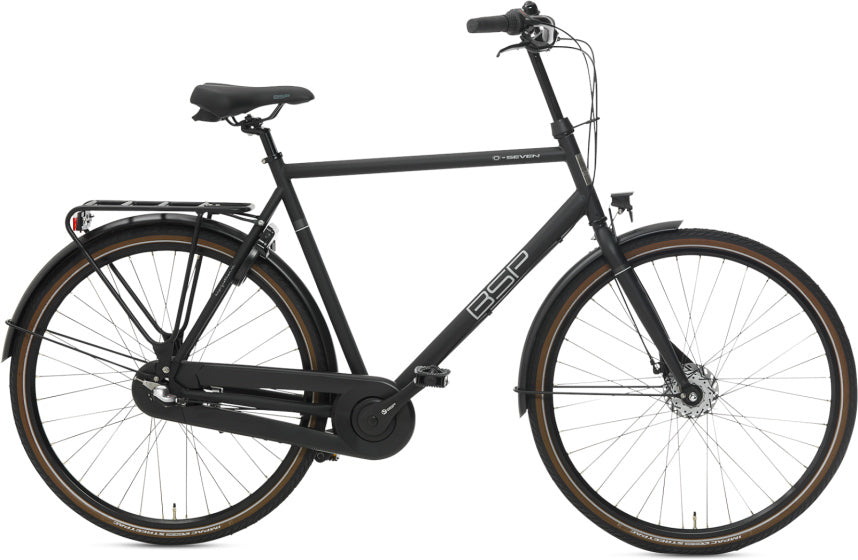
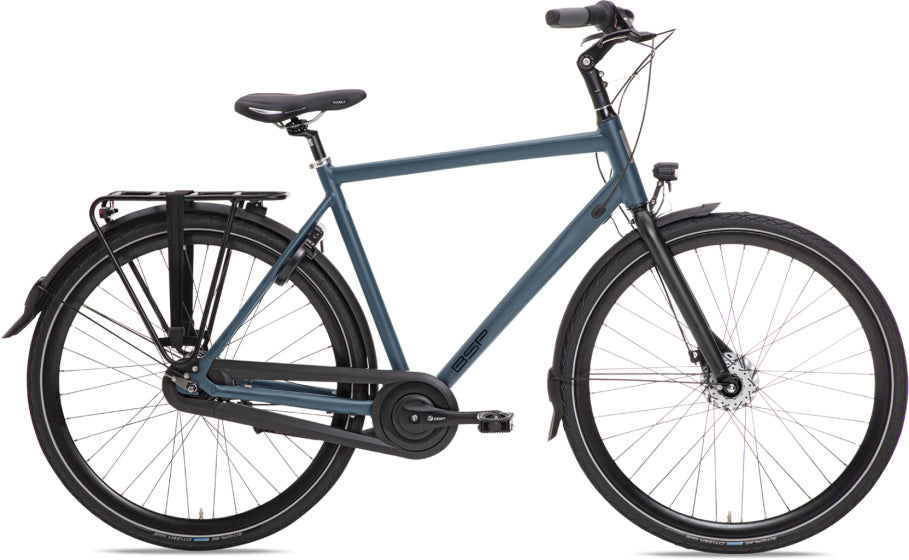
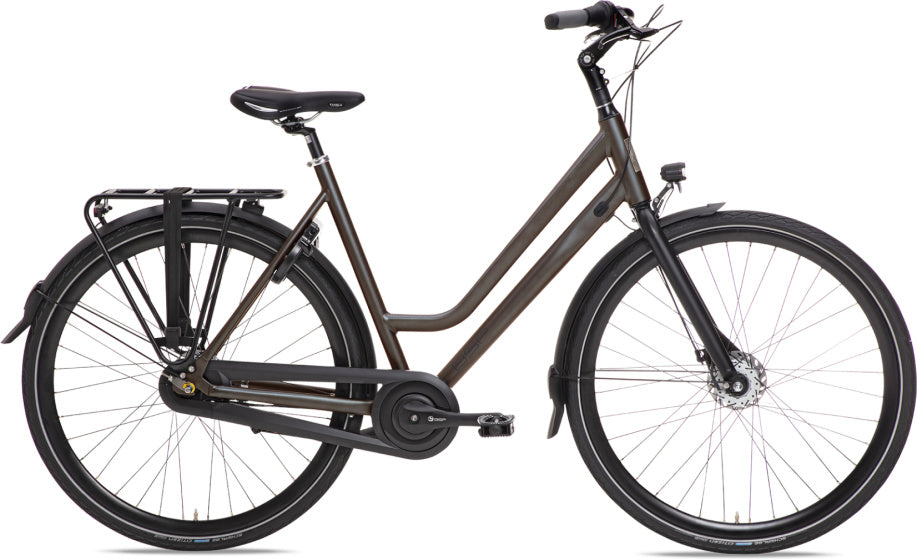
The bicycle range is divided into main types, each serving a specific purpose. City bikes are designed for shorter distances in city traffic, with an upright riding position, mudguards, and chain guard. Road bikes are built for speed with lightweight frames and drop handlebars for an aerodynamic position. Children's bikes are available in wheel sizes from 12 to 24 inch, matched to age and leg length. Folding bikes fold compactly for combining with public transport, and BMX bikes have a short frame with 20-inch wheels for freestyle and racing.
Frame sizes and bicycle dimensions
The correct frame size determines riding comfort and safety. Bicycle frames are designated by frame heights, expressed in centimeters or inches, which correspond to the riding position. A frame that is too small gives a cramped position, while one that is too large makes mounting and dismounting difficult. For children's bikes, the size is determined by the wheel size rather than the frame height. For road bikes, the reach and stack of the frame are decisive for a streamlined position without straining the neck and shoulders.
Frame materials
Bicycle frames are made from aluminum, carbon fiber, or steel. Aluminum combines stiffness, light weight, and affordability, and is the most common frame material. Carbon fiber is lighter and dampens vibrations better, but is mainly found on road bikes and higher price segments. Steel offers a smooth ride through natural spring characteristics and is easy to repair. The fork affects weight and comfort: a carbon fork dampens vibrations, a suspension fork absorbs shocks on rough terrain.
Gears and brakes
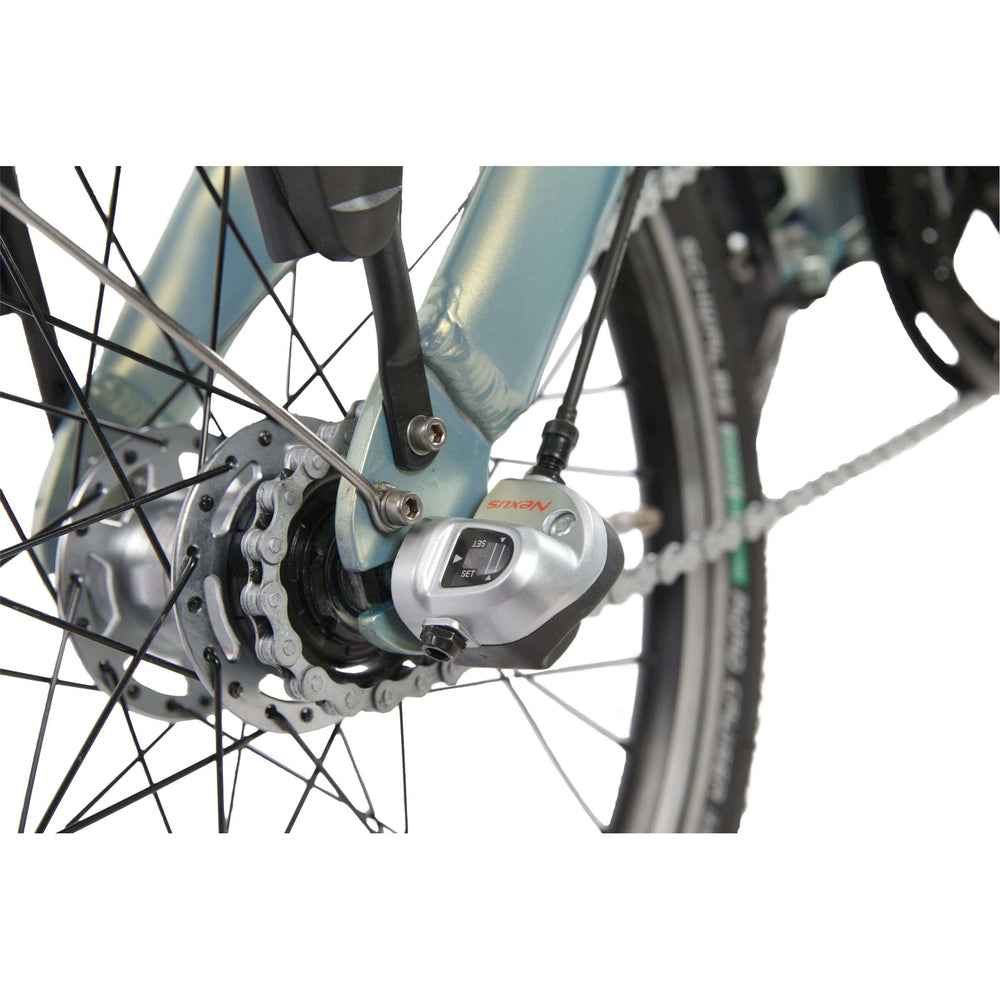
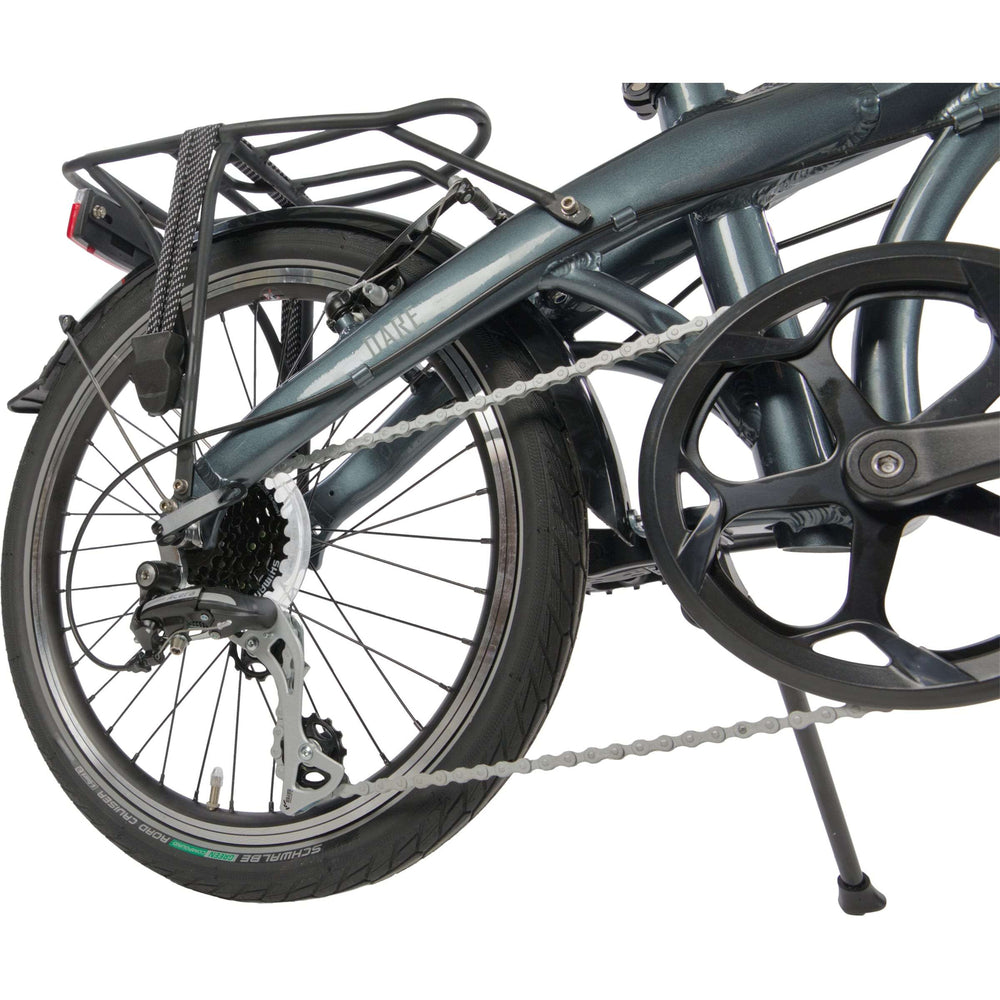
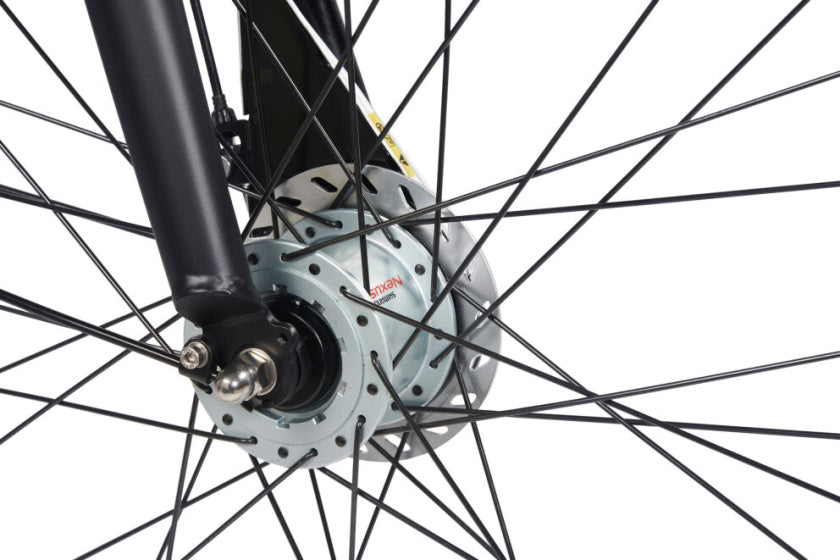
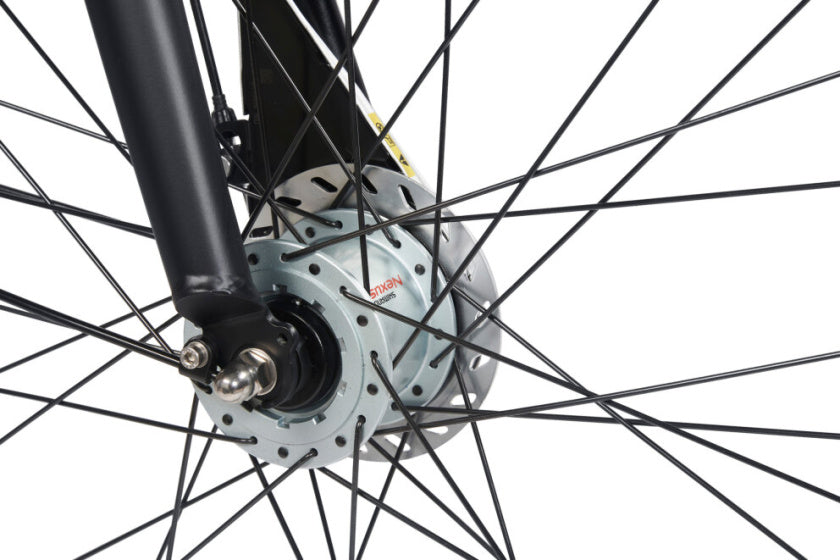
The gear system determines how easily different terrains can be ridden. City bikes often have a hub gear with 3 to 8 gears that requires little maintenance. Road bikes and mountain bikes use derailleur gears with 11 to 12 speed cassettes for fine gear ratios, driven by a rear derailleur. The braking system is the most important safety component. Rim brakes are light and simple, disc brakes offer more braking power and are less sensitive to wet conditions. Regularly replacing brake pads is essential for safe braking.
A bicycle consists of many parts that wear and require regular maintenance. The chain in combination with the cassette forms the drivetrain, tires determine grip and comfort, and saddles and handlebars determine the riding position. For maintenance, bicycle pumps, greases, and technical sprays are indispensable.

